
The Ultimate DIY Guide to Construction and Renovation Photography for Pittsburgh Contractors
Digital marketing for remodeling contractors and interior designers is no longer optional. Homeowners often spend months researching, saving ideas, and comparing companies before they ever sign a contract for a major renovation. During this research phase, your online portfolio is your strongest sales tool.
While professional photography is the gold standard for high-end builds, there are times when you need to capture a completed space yourself. If you are taking DIY photos of your renovation projects to use in your marketing materials, following a few fundamental rules can drastically improve how your craftsmanship is perceived by your next potential client.

Master the Lighting on Site
A great photograph is not just about the camera; it is about mastering the light. The biggest mistake contractors make on-site is taking photos while facing a window directly. This aims the camera into the light source, which turns the room dark and creates harsh, unappealing shadows.
Instead, take your photos with the window behind you or to your side. Open all curtains, blinds, and doors to flood the room with as much natural daylight as possible, and turn on all the interior artificial lights to eliminate dark corners. If you are shooting in a dark basement or a windowless bathroom, consider bringing a relatively inexpensive stand-up ring light to adequately light the room yourself.
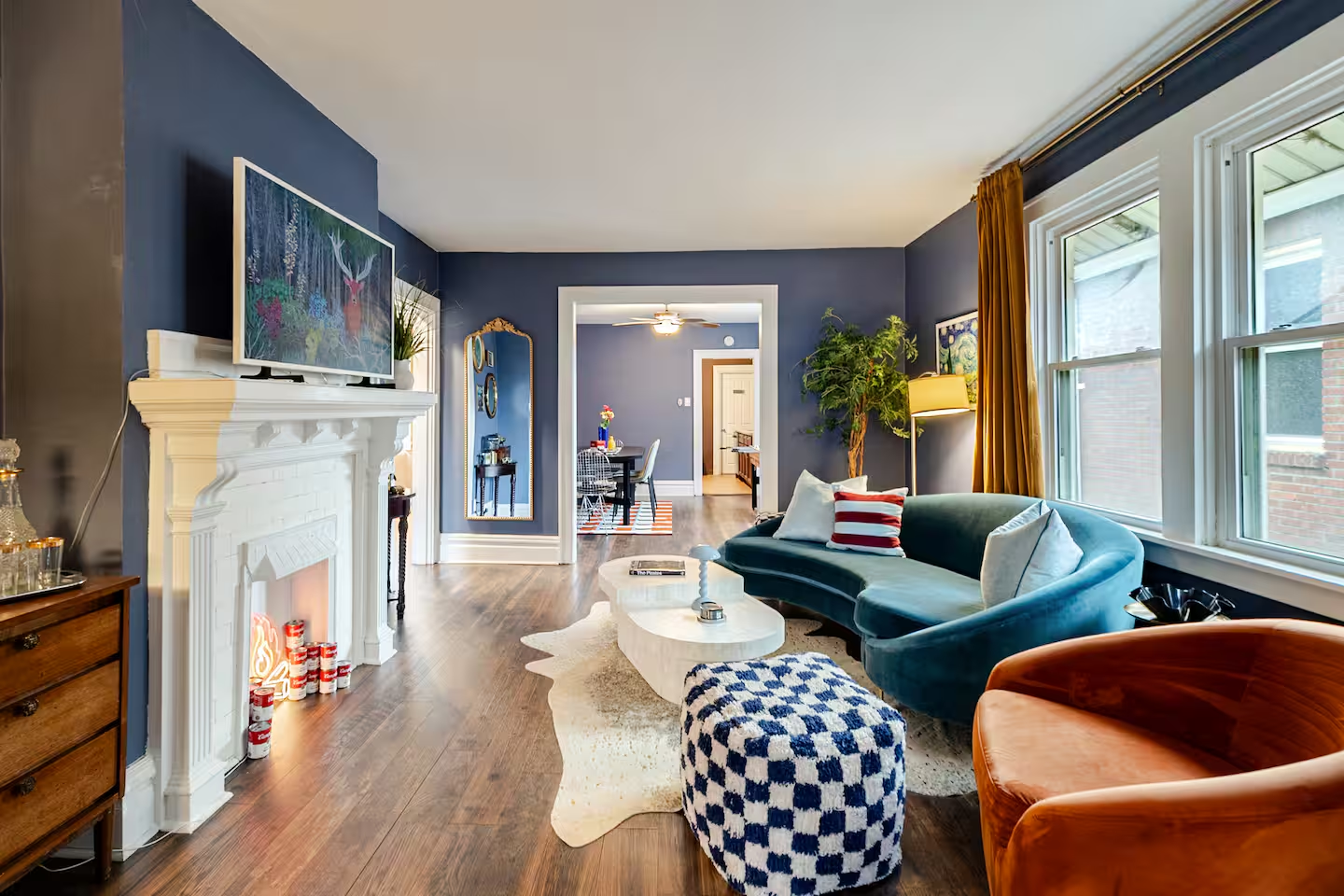
When photographing a newly finished kitchen or living addition, do not shoot flat against a wall, as this makes the room feel boxy and small. Instead, position yourself in the corner of the room. The architecture of the corner naturally leads the viewer’s eye into the space, creating a sense of depth and making the room look significantly more expansive.
Shoot from a Corner
Shoot from a Corner
When photographing a newly finished kitchen or living addition, do not shoot flat against a wall, as this makes the room feel boxy and small. Instead, position yourself in the corner of the room. The architecture of the corner naturally leads the viewer’s eye into the space, creating a sense of depth and making the room look significantly more expansive.
Clean, Declutter, and Stage for Use
A messy job site will immediately distract from your high-quality finish work. Before taking any photos, remove all unwanted items, including stray tools, trash, and protective floor coverings. Clean all surfaces meticulously; glass shower surrounds should be spotless, and new stone countertops should be polished so that water spots do not show up in the final image.
For interior designers and architects, staging the space slightly helps the client envision living there. Simply turning on a fireplace, placing a coffee maker on the counter, or setting up some fresh towels in the bathroom provides a lifestyle touch that elevates the image.
You need to show the full scale of the transformation as well as your attention to detail. Take wide shots to give potential clients an understanding of the overall layout and flow of the room. Then, move in for detailed, close-up shots of specific amenities and finishes. Highlighting your custom tile work, seamless countertop edges, or unique architectural lighting proves your expertise and justifies your pricing to high-end clients.
Capture Both Wide Angles and Fine Details
Capture Both Wide Angles and Fine Details
You need to show the full scale of the transformation as well as your attention to detail. Take wide shots to give potential clients an understanding of the overall layout and flow of the room. Then, move in for detailed, close-up shots of specific amenities and finishes. Highlighting your custom tile work, seamless countertop edges, or unique architectural lighting proves your expertise and justifies your pricing to high-end clients.
Frame a better photo with your phone
– Use the grid lines on your camera to align the walls and floors to be level
– Try to get the same amount of ceiling and floor in the photo at the top and bottom
– shoot at the widest angle your phone allows
– shoot primarily horizontal photos, but use vertical when in tight spaces like a hallway or bathroom
– Watch out for your reflections/shadows on the floor or in mirrors
Show off your craftsmanship
Knowing when to go Pro
Taking your own photos is a great way to document daily progress or market smaller repair jobs. However, if you are completing a $50,000 luxury kitchen remodel or a custom whole-home build, relying on cell phone photos can cost you your next big bid.
High-end clients expect to see a professional, design-forward online presence. For your highest-value projects, investing in a professional architectural photographer ensures that your work is captured with the proper wide-angle lenses and advanced lighting equipment. Professional portfolio photography ensures you have the elite marketing assets needed to stand out from the competition and sell to your next premium customer.
The team at ClicksPgh helps local Pittsburgh contractors capture high-end kitchens, bathrooms, and additions in the Fox Chapel, Wexford, Lawrenceville, North Side, Mount Washington, Mount Lebanon, Squirrel Hill, Highland Park, Shady Side, Strip District, and East Liberty neighborhoods. https://clickspgh.com/commercial/
Smaller value / scope - Consider going DIY
If you’re working on a simple, few-day project with a smaller profit margin it most likely is best for you to take some photos on your phone once your done and cleaned up.
Larger value / scope - Consider professional Photography
If you are doing high-end luxury work or a bigger scope like a full kitchen, new bathroom, addition, or whole house renovation then you are better off scheduling a professional photographer to help show off your work! Costs are usually in the low hundreds and often are justified if you are expecting a larger margin for your bigger project.


What to do with your photos
Boost Your Local SEO and Website Conversion
Do not just upload a massive grid of images to your website. Turn your photos into individual case studies. Group the photos by specific projects and include a short description detailing the design elements, materials used, and the neighborhood (e.g., “Custom kitchen remodel in Squirrel Hill”). These captions provide crucial context for search engines, helping your website rank higher in local searches.
Create a "Proof of Quality" Welcome Packet
Use your best images to create a professional PDF presentation or printed brochure. Handing this portfolio to prospective clients during the bidding process—or attaching it to follow-up emails—provides tangible proof of your craftsmanship. When homeowners are comparing multiple quotes, a polished visual presentation justifies your pricing and separates you from commodity contractors. Tools like www.Canva.com can help make this a breeze!
Fuel Your Social Media and Paid Ads
Break your project down into a series of social media posts, Reels, or TikToks. Stark before-and-after transformations are the single best-performing ad format for home services. When running Meta Ads or posting to Instagram, use these high-contrast visuals to stop users from scrolling, and always tag your specific service areas to capture local attention.
Update Your Google Business and Houzz Profiles
Consistently adding fresh, high-resolution photos to platforms like Houzz and your Google Business Profile shows that your company is active, busy, and keeping up with current design trends. Furthermore, uploading a new gallery of a completed space is the perfect excuse to email your past client the link to the photos and prompt them to leave a 5-star review.
FAQ
How do I avoid dark or blurry photos on Pittsburgh construction sites?
To avoid blurry images, always use a tripod for your smartphone and ensure your camera lens is clean. To fix dark photos, maximize the light in the room by opening all blinds, turning on every light switch, and ensuring you are not shooting directly into the sun or a bright window.
Is professional photography worth the cost for home builders and architects?
Yes, especially for high-value projects. While DIY smartphone photos are acceptable for minor jobs, high-end clients expect a polished portfolio that demonstrates design sophistication. Professional photography acts as a long-term marketing investment, providing you with the high-quality assets necessary to build brand trust, showcase your expertise, and win higher-tier bids.
What should a remodeling contractor include in their online portfolio?
A strong portfolio should feature high-quality photos of your projects before construction, during the renovation, and after completion. You should include a mix of wide-angle shots that show the entire space, as well as detailed close-ups that explain your material selections and demonstrate your technical work quality.
What are the best angles for interior renovation photography?
The best approach is to shoot into the corners of a room rather than directly at flat walls. Shooting into a corner captures two walls at once, which adds depth to the photograph and makes the space appear much larger and more inviting to potential clients.
Should I photograph my team working on the job site?
Absolutely. While finished rooms are beautiful, showing your team actively working establishes a personal connection, proves your capability, and builds credibility. Portfolios that only show completed, empty projects can sometimes feel lifeless or confuse potential customers into thinking you are just an architect or designer rather than a hands-on builder.
How many projects should I include in my online portfolio?
A strong contractor portfolio should feature at least ten distinct projects. However, it is crucial to curate your gallery carefully. Do not overwhelm your potential clients by dumping hundreds of unorganized, similar smartphone photos onto a single page. Choose your best work and organize the images by project type or floorplan.
Should I use vertical or horizontal photos?
Websites and desktop portfolios heavily favor horizontal (landscape) images, particularly for wide banner headers. Vertical (portrait) photos are best reserved for social media platforms like Instagram Reels or TikTok, or for publications where graphic designers need space for text. It’s always best to capture a mix of both on-site.